


You may not be thinking about your wedding dress every day now, but in the future, you will. Whether you plan to keep it as an heirloom, save it for a daughter, or simply preserve it as an investment, the timing of preservation matters. For many wedding dresses, the first few weeks after the wedding are often the most important.
It’s easy to assume your dress is fine as long as it’s stored carefully. But delicate fabrics can deteriorate when stains and moisture remain for too long. That’s often when yellowing and permanent marks start to develop and become much harder to reverse.
What happens in the first few days looks very different from what happens weeks later, and your dress responds to that timeline. In this post, we show you what that timeline looks like!
The First 24–48 Hours After the Wedding
The first 24 to 48 hours after your wedding are the most vulnerable time for your dress. Even when it appears clean, invisible stains from sweat, body oils, champagne, and sugar-based foods react with oxygen immediately, increasing the risk of lasting damage. What happens during this early stage often determines whether preservation stays simple or becomes more difficult later.
Immediate Care Steps
Right after the wedding, how you handle the dress matters more than many people realize. Small choices at this stage can either protect the fabric or speed up deterioration.
Best practices include:
- Remove the dress as soon as possible to limit prolonged exposure to sweat
- Keep the dress away from heat sources and direct sunlight
- Lay it flat or loosely drape it instead of hanging it immediately
- Avoid placing the dress in plastic garment bags
What not to do:
- Do not attempt spot-cleaning with household products
- Do not store the dress while damp
- Do not fold tightly or compress embellishments
Keeping the dress stable and undisturbed helps protect it until professional wedding dress preservation begins. The first 48 hours focus on protection, not cleaning. Careful handling during this time helps prevent early staining and unnecessary stress on the fabric.
The First Week: Why Timing Matters
During the first week after your wedding, subtle changes begin affecting the dress, even if it still looks spotless. Stains from sugar, alcohol, and perspiration react with air and light, causing them to darken over time.
As this process continues, stains become increasingly difficult to remove and can complicate the preservation of wedding dresses. This is why professionals recommend taking action in this early window to achieve the best results.
Fabric Exposure Factors
Environmental exposure quietly impacts your dress during this phase. Temperature, humidity, and airflow all influence how quickly damage progresses.
Common exposure risks include:
- Warm closets that speed up oxidation
- Humid environments that encourage mildew
- Airborne particles that settle into lace and tulle
- Prolonged hanging that strains seams and straps
Even seemingly clean dresses absorb these environmental elements. Addressing them early keeps preservation focused on protection rather than repair. The first week matters because damage often begins out of sight. Acting during this phase helps keep wedding dress preservation effective and predictable.
One Month Post-Wedding: What Changes
About one month after the wedding, the dress stains begin to set. Marks that were once easy to treat may now need more thorough cleaning. Wedding dress preservation is still possible at this point, though it may require additional steps to prevent discoloration. Knowing this helps brides understand what to expect without added stress.
Cleaning Complexity Levels
As time passes, cleaning difficulty increases based on stain type and fabric sensitivity.
Here’s what professionals often encounter:
- Yellowing along hems and underarms
- Sugar-based stains become more visible
- Delicate fabrics require slower treatment
- Beaded areas need manual inspection
These challenges don’t prevent preservation, but they highlight the value of timely service. After one month, preservation remains effective, though acting earlier simplifies the process and yields better visual results.
When Preservation Should Be Scheduled at the Latest
For the best results, preservation should be scheduled within the first few months after the wedding. This window gives professionals time to clean, treat, and stabilize the dress before oxidation becomes permanent.
General timing guidance:
Experienced preservation specialists consistently recommend acting before visible damage appears.
- Best: Within 2–6 weeks
- Still effective: Up to 3 months
- Possible with limits: 1 year or more
Even when preservation is delayed, it still offers long-term protection and peace of mind. So, schedule wedding dress preservation as early as possible. Acting sooner helps protect both the appearance and fabric strength of the dress, while later preservation still prevents further damage.
Protect Your Wedding Dress at the Right Time with Urban Valet Cleaners
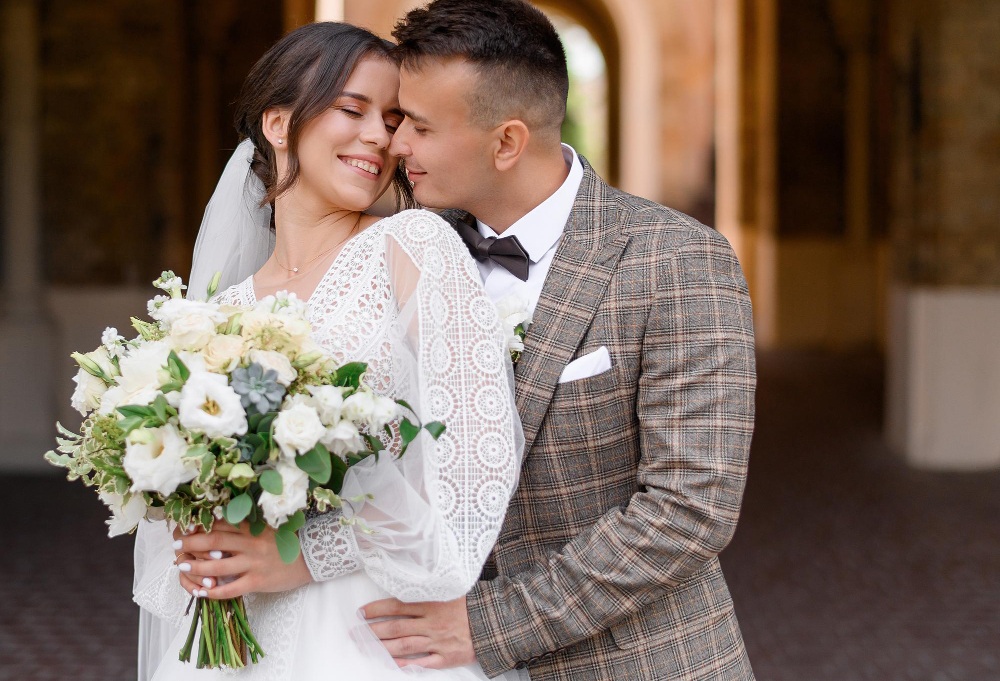
After your wedding day, your dress may look clean, but hidden residue can begin to affect the fabric immediately. Over time, this can weaken the fibers and lead to discoloration. Acting early and seeking professional care helps protect your dress for the long term.
Urban Valet Cleaners specializes in professional wedding dress cleaning and preservation in Buffalo, New York, and neighboring towns. With extensive experience handling delicate fabrics, lace, and intricate embellishments, our team knows how to care for bridal dresses after the celebration ends.
We use advanced cleaning methods and high-quality preservation materials designed specifically for wedding dresses. Free Pickup and Delivery Service is available, making it easier to preserve your dress at the right time.
Schedule your FREE Pickup and Delivery Service today and take the next step in preserving your wedding dress with confidence.
Contact Urban Valet Cleaners:
📞 Phone: 716-670-5073
📍 Main Location: 620 Elmwood Ave. Buffalo, NY, 14222
Additional Locations:
📍 Corporate Headquarters – 106 Evans St., Hamburg, NY, 14075
📍 Orchard Park – 4081 N. Buffalo St., Orchard Park, NY, 14127