

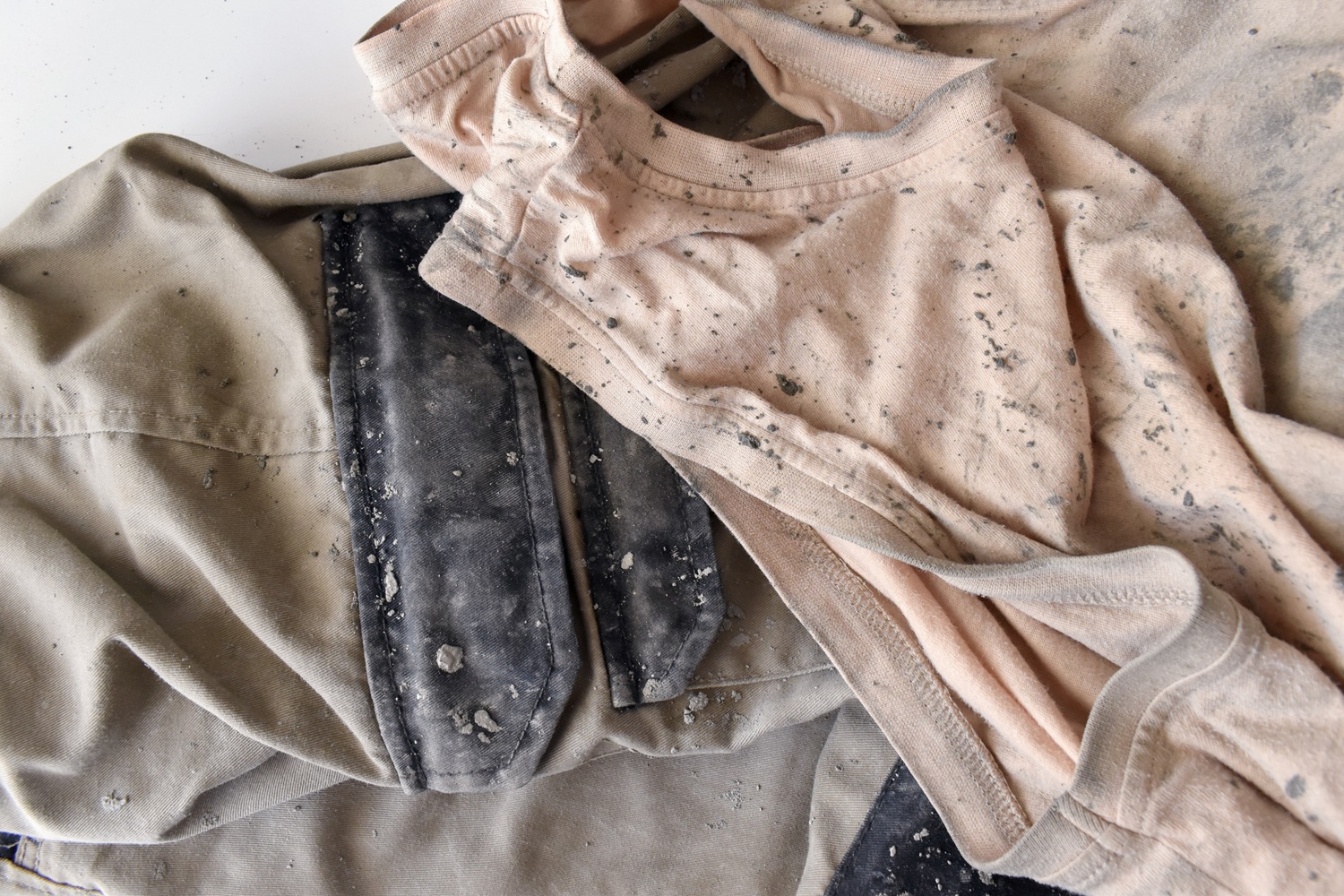
When the flames are out and the floodwater finally drains away, there’s a natural urge to clean up what you can see and move forward. The visible residue and mess are enough to keep anyone busy. But not all damage announces itself so loudly.
Moisture can slip into tight spaces, smoke can linger in places you’d never think to check, and mold can form long before you smell anything. And because these issues stay out of sight, they’re easy to overlook.
If you’re trying to figure out what hidden damage you should be watching for, this article gives you a simple breakdown of the unseen risks and the expert methods used to detect and address them early.
Smoke Residue in Walls and Ducts
Smoke doesn’t just leave behind a smell – it clings to surfaces, settles deep in pores, and hides in places you’d never think to look. Even once the air clears, those microscopic particles are still tucked inside walls, insulation, and the entire ventilation system. Left alone, they slowly corrode materials and keep releasing odors that make your home feel like the fire never ended.
How Smoke Travels and What Professionals Do to Remove It
To understand how this hidden residue spreads and what can be done about it, here’s what typically comes next:
Smoke seeps through cracks and gaps
Even small openings around light switches, baseboards, or vents act like doorways for smoke. It drifts through these spaces and settles where you can’t see it, from the inside of your walls to the back end of your HVAC system.
Soot clings to anything porous
Drywall, insulation, duct lining, and even wooden framing soak up smoke particles. Pros use specialized tools like chemical sponges and HEPA filtration vacuums to lift residue rather than smear it deeper.
Ductwork needs deep, professional cleaning
When smoke enters an HVAC system, it gets pushed into every vent in the house. Restoration teams disassemble accessible components, sanitize the interior with industry-grade cleaners, and use negative-air machines to remove the buildup.
Water in Floors and Foundations
You can mop up standing water, but that doesn’t mean the structure underneath is dry. Floors and foundations hold on to moisture for far longer than most homeowners realize. And when that moisture stays trapped, it can swell wood, weaken support beams, and trigger long-term issues that quietly grow beneath the surface.
Where Water Hides and How Restoration Experts Pull It Out
Here’s what restoration professionals look at once the surface water is gone:
Subfloors soak up moisture quickly
Even if hardwood or tile seems dry, the layers underneath may still be holding water. Restorers check every level – flooring, vapor barriers, and the subfloor – to make sure nothing is overlooked.
Moisture moves through the foundation
Water can follow cracks and pores in concrete, carrying minerals, bacteria, and soil with it. Crews use high-powered drying equipment and moisture meters to restore balance and prevent structural deterioration.
Edges and corners stay wet the longest
These areas don’t get much airflow, so they continue holding moisture long after the rest of the floor feels normal. Pros use targeted air movers and dehumidifiers to dry these pockets before mold or rot sets in.
Mold That Develops in Hard-to-reach Spaces
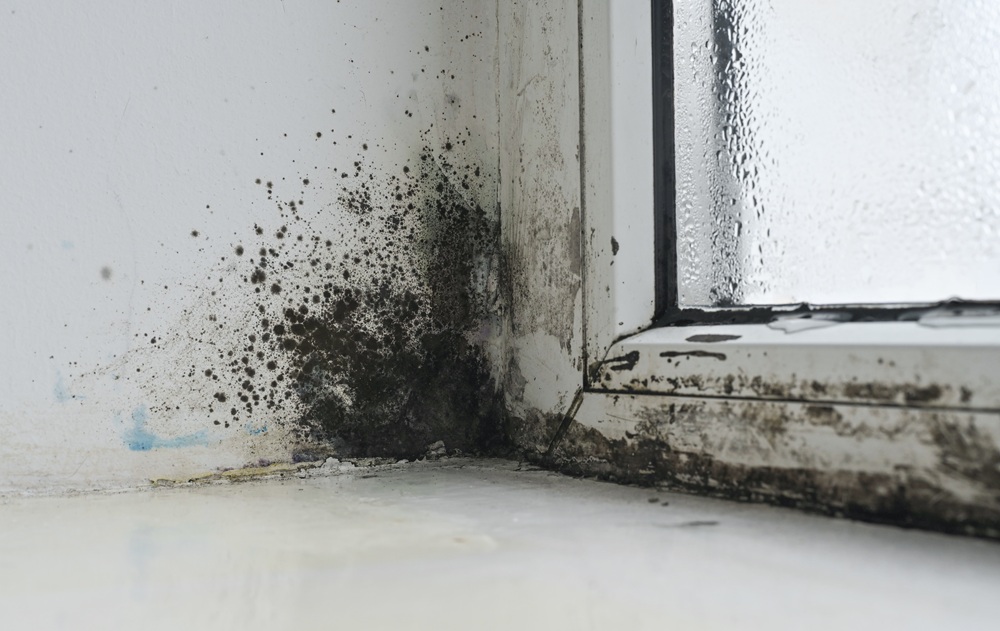
Mold starts forming fast, usually within 24 to 48 hours, and it thrives in dark, damp places nobody checks regularly. After a fire or flood, those conditions are everywhere: behind walls, under appliances, inside cabinets, and beneath flooring. And even when you can’t see it, mold keeps growing and releasing spores into the air.
Where Mold Hides and Why It Grows There
Below are the areas experts always inspect when mold is a concern:
Behind walls and under insulation
Once water gets trapped inside the wall cavity, mold has everything it needs: moisture, warmth, and organic material. Professionals often remove baseboards or cut small access points to check and treat hidden growth.
Interior corners and unventilated spaces
Spots like closets, tight corners, crawl spaces, and the underside of staircases stay humid far longer than open rooms. Restoration teams use thermal imaging to detect temperature patterns that indicate moisture and mold activity.
Inside flooring layers
Padding under carpets, the gap between hardwood planks, and the adhesive layers beneath vinyl are prime areas for mold to develop. Specialists may lift flooring or use drying mats to fully eliminate moisture before remediation.
Catching mold early prevents larger infestations and keeps the home’s air healthy and breathable.
How Experts Detect and Fix Hidden Issues
The biggest challenge after a fire or flood isn’t what you can see – it’s what you can’t. Hidden problems like lead paint chips, asbestos dust, or soot deposits can linger unnoticed for months. Without professional testing, these hazards can affect both your family’s health and your property’s resale value.
That’s why restoration specialists in New York use advanced diagnostic tools to uncover these hidden dangers before they cause serious harm.
Professional Detection Methods
Here’s what happens behind the scenes when experts inspect your home for unseen damage:
| Detection Tool | Purpose | Common Uses in Restoration |
|---|---|---|
| Infrared Cameras | Identify temperature differences that signal moisture | Used for walls, ceilings, and floors |
| Air Quality Monitors | Measure soot, mold spores, and VOCs (volatile organic compounds) | Ensures safe breathing levels |
| Lead and Asbestos Tests | Detect hazardous materials in paint and insulation | Protects against legal and health risks |
| Pressure and Duct Tests | Find leaks in ventilation systems | Prevents odor and smoke re-circulation |
Once these tests reveal the hidden threats, restoration experts develop a tailored plan that may include asbestos abatement, duct cleaning, or structural drying. In many cases, they also work directly with your insurance provider, handling documentation, photos, and reports to ensure everything is covered under your policy.
Preventive Restoration Tips
To protect your home long term, experts recommend:
- Regular Inspections – Schedule annual assessments for plumbing, electrical, and HVAC systems.
- Proper Ventilation – Keep crawl spaces and attics well ventilated to prevent condensation buildup.
- Gutter Maintenance – Clean gutters and downspouts to direct rainwater away from your foundation.
- Emergency Plan – Have an emergency restoration service on call for immediate response in case of another disaster.
Protect Your Home Before Problems Spread – Call Urban Valet Cleaners for Professional Restoration!
Even when the flames are gone or the water has dried, hidden damage can continue to spread quietly through your home. Smoke, soot, or moisture can linger where you least expect it, posing health risks and potentially leading to structural problems in the future.
At Urban Valet Cleaners, we’ve spent more than 25 years serving Buffalo and nearby communities, helping families recover from fire, water, and smoke disasters. What started as a small two-person business has grown into a 45-member team dedicated to providing reliable, high-quality Restoration Service using the latest cleaning technology and methods.
Are you or your loved ones a victim of fire and/or water disasters in the Buffalo, New York area? Call Urban Valet Cleaners at (716) 670-5098. Let our experienced team restore your home, your belongings, and your peace of mind!